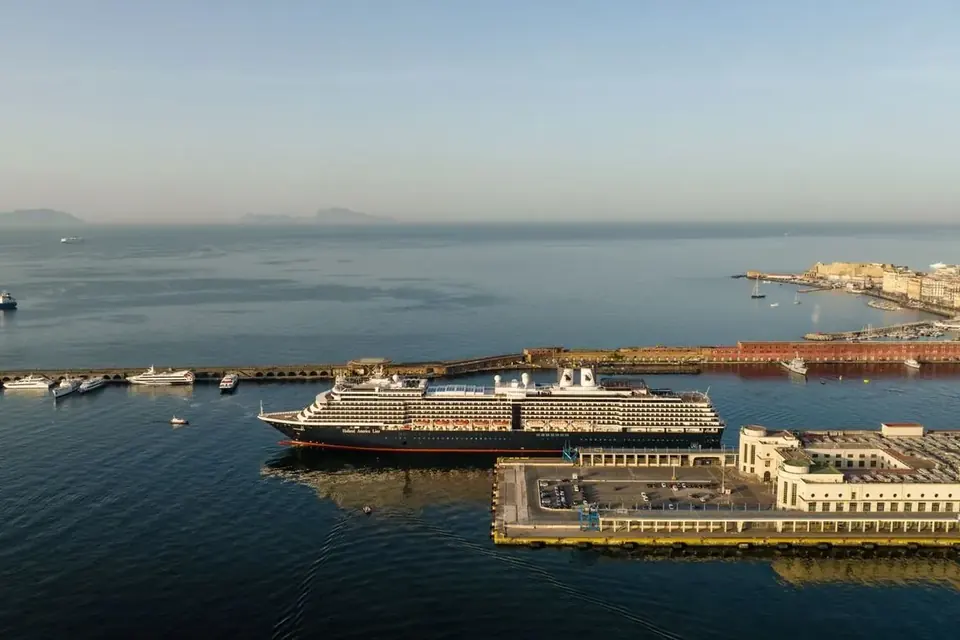
Reaching Britain's understated Baltic gate
The motorway simply ends
Every route to Harwich sheds its motorway status well before the coast, finishing on the A120's single-carriageway miles through farming Essex. Overtaking opportunities are rationed, tractors have right of tenure, and average speeds obey the countryside. Schedules built on motorway arithmetic arrive late here; ours are built on A-road truth.
Two harbours in one estuary
Harwich International shares its waters with the Hook of Holland ferry trade and, across the estuary, Felixstowe's container colossus. Ferry sailings pulse traffic through the same final approach your transfer uses — a small-port quirk with timetabled predictability, which is exactly how we treat it.
Small terminal, honest speed
The cruise facility processes its passengers with country efficiency — modest queues, brisk check-in, staff who seem genuinely pleased you've come. We credit that speed truthfully in our timings rather than padding by megaport habit, keeping your departure morning proportionate to the actual port.
The Stansted marriage
Fly-cruise logic pairs Harwich with Stansted almost by decree — under an hour of A120 between runway and gangway, the tightest sensible bridge on the east coast. International joiners for Baltic circuits land, transfer and board within a single relaxed morning; we run the middle leg like a rehearsed relay.
Cambridge and the academic catchment
An easy hour inland, Cambridge feeds Harwich a steady scholarly stream — college groups, visiting academics extending conferences into fjord voyages, families bookending graduations with sailings. The M11-to-A120 chain is our most-polished inland corridor to this coast.
Weather off the North Sea
Exposed east-coast berths occasionally feel the North Sea's moods — gales that shuffle alongside times or slow the estuary's pilotage. We monitor port movements with your booking attached, converting maritime surprises into recalculated pickups rather than car-park vigils.
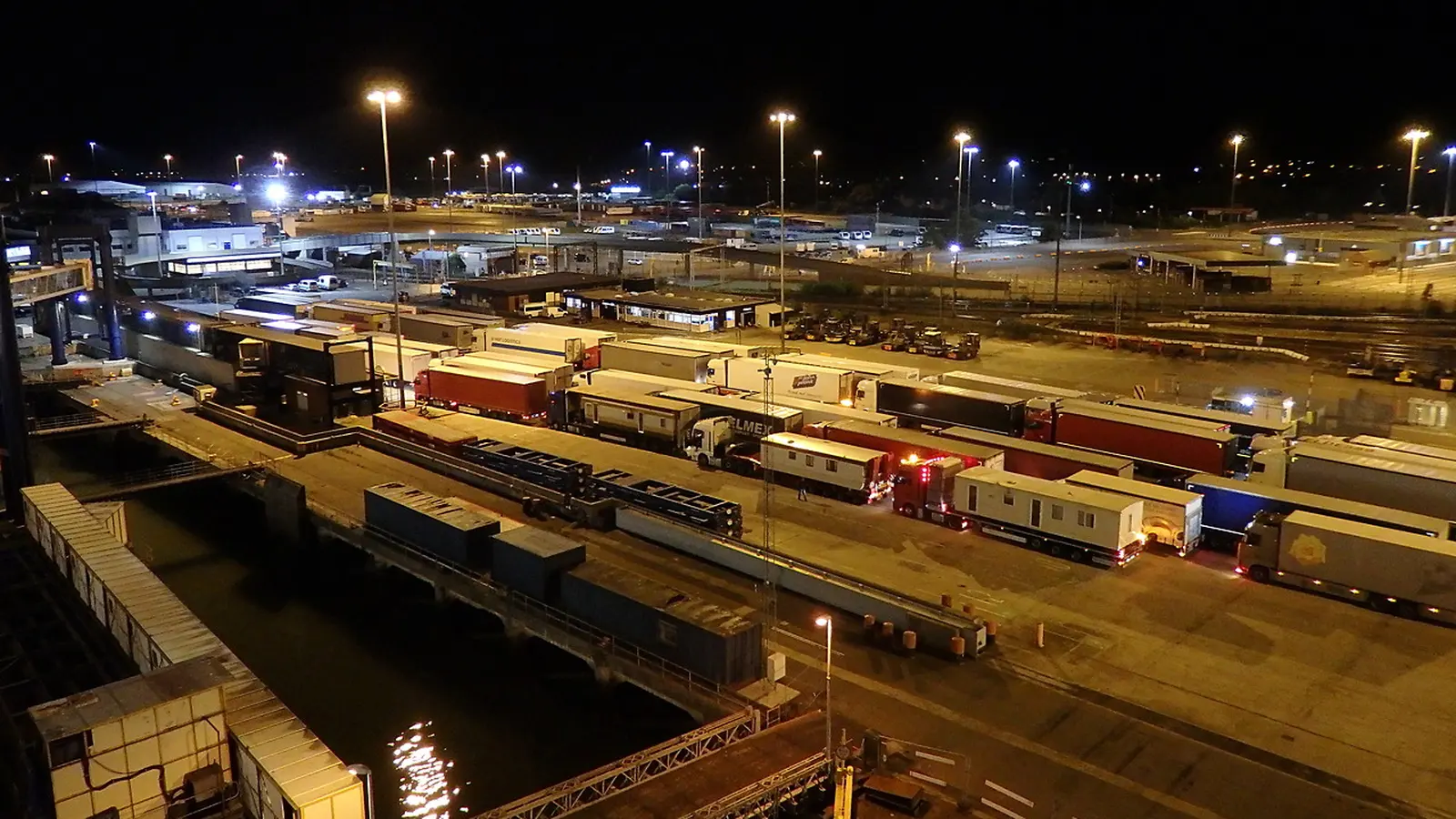
Harwich terminal journey times across the East
Peak covers commuter pulses on the A12, ferry-sailing windows and — uniquely honest for this coast — the A120's countryside constant.
| Route | Off-peak | Peak / event reality | Dispatcher's margin note |
|---|---|---|---|
| Stansted Airport | 45–60 min | 65–85 min | The east-coast bridge; A120 end-to-end |
| Colchester | 25–35 min | 40–55 min | Britain's oldest town, nearest big feed |
| Ipswich & south Suffolk | 30–40 min | 45–65 min | Cross-estuary arc via the A14/A12 |
| Chelmsford & mid-Essex | 50–65 min | 70–95 min | A12 spine; junction-timed |
| Cambridge | 1–1.25 hrs | 1.5–1.75 hrs | M11-to-A120 chain; term-time aware |
| Central London hotels | 1.75–2 hrs | 2.25–3 hrs | A12 out of the capital; pre-cruise stays welcome |
| London City Airport | 1.25–1.5 hrs | 1.75–2.25 hrs | East-side escape route; viable bridge |
| Norwich & Norfolk | 1.25–1.5 hrs | 1.75–2.25 hrs | A140/A14 country chain; steady |
| Heathrow Airport | 2–2.5 hrs | 2.75–3.5 hrs | Full orbital crossing; morning arrivals only |
| Southend & south Essex | 1–1.25 hrs | 1.5–2 hrs | County-length run; A130 link roads |
Country roads, keel-sharp timing
The A-road doctrine
- Countryside arithmetic: The final approach runs at rural pace by design, so Harwich margins are built from A-road averages, harvest-season honesty and market-day awareness — not motorway optimism wearing a disguise.
- Ferry-pulse threading: Hook of Holland departures send timetabled surges through the shared harbour approach. Cruise arrivals slot the quiet intervals; predictable quirks deserve predictable answers.
- The Constable-country option: Dedham Vale's painted landscapes sit minutes off-route — with generous sailing maths, a scenic detour or village lunch becomes the voyage's overture, timed and priced upfront.
Bridges and bookends
- The Stansted relay: Baltic joiners land STN, roll the A120's length and board within the morning — flight tracked from origin, gangway reached with composure intact. East-coast fly-cruise at its tightest.
- Homecomings via the harbour town: Old Harwich's maritime lanes and lighthouse views reward an hour's linger after docking; collections happily stage around a farewell fish lunch. The quiet coast deserves a proper goodbye.
- Any wobble, one thread: WhatsApp +44 20 8888 9988 — dispatch reads the sailing list, the ferry timetable and the A120's temperament off the same screen.
Stansted landings roll east as the terminal opens — the bridge morning in full swing, country miles metered honestly, Baltic itineraries beginning on Essex tarmac.
Continental sailings pulse the shared approach at published hours. Cruise traffic threads between — small-port choreography, learned by repetition.
The compact hall processes its manifest with rural briskness. Arrive proportionate, board unhurried — Harwich's entire promise, delivered daily.
East-coast weather occasionally rewrites alongside times. Port-movement tracking recalculates collections automatically; the sea's moods become our maths, not your wait.
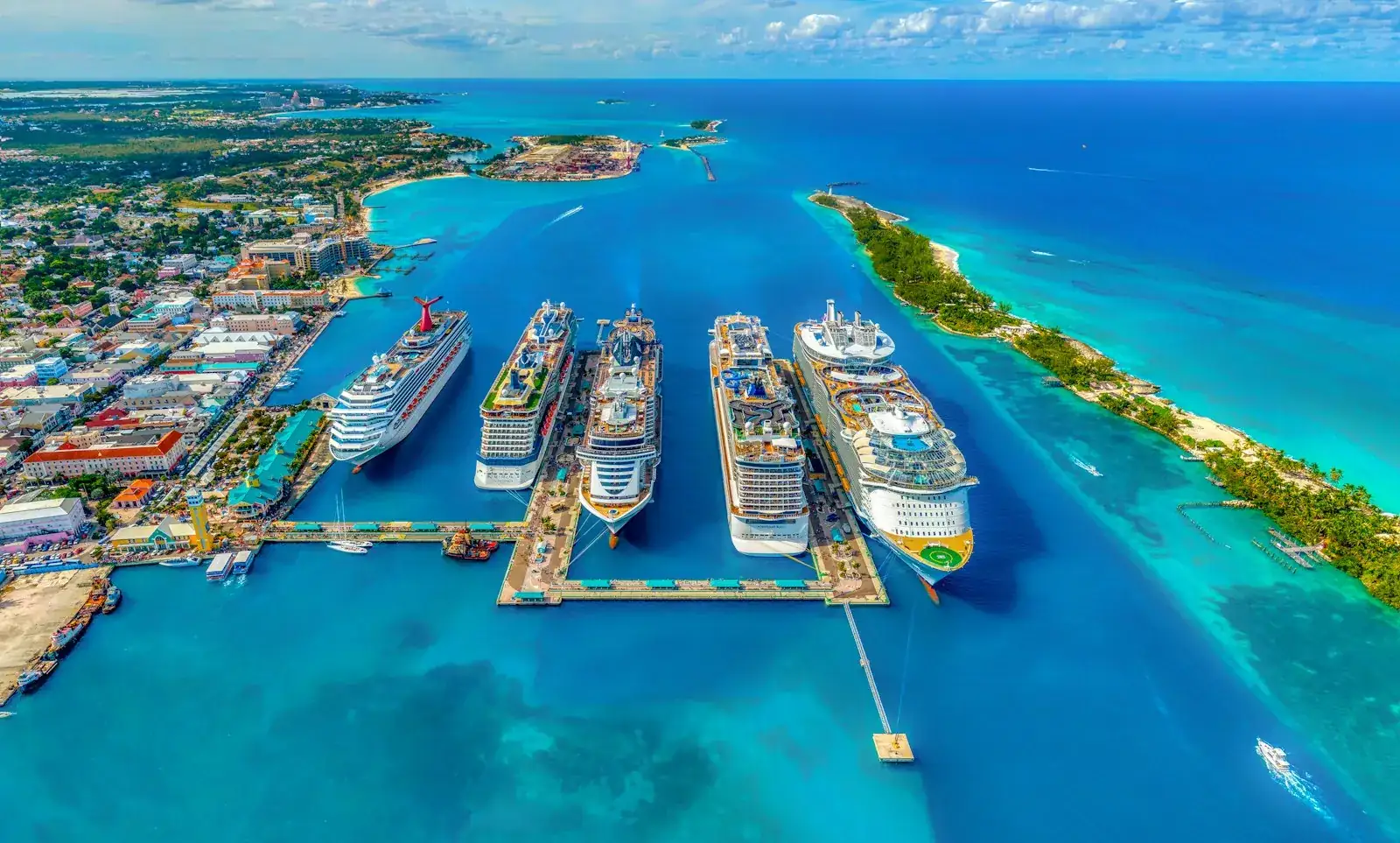
Four Harwich sailings from the whispering coast
The Baltic capital collectors
Passengers ticking Stockholm, Tallinn and St Petersburg's successors off a lifetime list — boarding grand northern circuits from a harbour that whispers rather than roars. The contrast is the charm; the punctuality is ours.
The Stansted relay internationals
Overseas joiners landing mid-morning for afternoon sail-aways — the east coast's tightest fly-cruise executed as a rehearsed handover, runway to gangway inside the same unhurried morning.
The round-Britain romantics
Circumnavigators boarding voyages around their own island — a passenger breed that savours coastal England from the first mile, for whom the A120's hedgerows are already part of the itinerary. We drive it like the opening chapter it is.
The Cambridge processions
College groups and conference-extenders trading the Backs for the Baltic — the scholarly corridor down the M11, luggage heavy with books nobody will read aboard. Term-time aware, punctuality peer-reviewed.
Harwich cruise port: train to Liverpool Street or a car?
Passengers often ask how to get between Harwich and London or Heathrow. Harwich International station is at the port, which helps. Trains to London Liverpool Street usually involve a change at Manningtree.
- Central London: the train works if you are staying near Liverpool Street and can manage one change with bags.
- Heathrow: from Liverpool Street, the Elizabeth line runs direct to Heathrow. That is a long rail journey with at least two changes.
- Car: one journey from the port to your hotel or terminal, with your luggage in the boot throughout.
Our fares are priced per car, so two couples sharing pay one fare. Tolls and airport charges are included in the quote, and Heathrow pick-ups for embarkation day include 60 minutes' free waiting.
Q: Is there a train from Harwich cruise port to Heathrow?
A: Not directly. You would take a train to Liverpool Street, usually changing at Manningtree, then the Elizabeth line to Heathrow.
Harwich cruise questions, answered properly
Honestly — where is Harwich, and why do ships sail from there?
The far northeast corner of Essex, where the Stour and Orwell estuaries meet the North Sea — one of England's finest natural deep-water harbours, which is precisely why the Baltic and Norwegian trades adopted it. The town's obscurity is the passenger's gain: grand itineraries, modest queues, a terminal that treats embarkation as a pleasure rather than processing. Getting there punctually is our department; enjoying the quiet is yours.
Is the drive really all country roads?
The decisive final stretch is — the A120 sheds its dual carriageway well before the coast and finishes through genuine farming countryside, tractors and all. It's a lovely last hour when timed honestly and a schedule-wrecker when planned on motorway assumptions. Our Harwich margins are built from A-road averages and seasonal realities, which is why our passengers describe the approach as scenic rather than stressful.
How tight is the Stansted connection, really?
Comfortably under an hour off-peak, runway to gangway, along the A120's full length — the tightest sensible fly-cruise bridge on the east coast. A mid-morning landing pairs with an afternoon sail-away as a single relaxed relay: flight tracked from its origin, driver staged against actual touchdown, country miles metered truthfully. Send both times to WhatsApp dispatch for your specific verdict, free.
Will the Hook of Holland ferries affect our arrival?
Only as a timetabled ripple we've already threaded. The international ferry trade shares Harwich's harbour and final approach, sending predictable traffic pulses at published sailing hours — small-port choreography rather than megaport chaos. Cruise arrivals are slotted into the quiet intervals as standard, so the ferry surge is something you'll read about here and never actually meet.
Can we stop somewhere pretty on the way to the ship?
You'll be driving past Constable country — Dedham Vale and Flatford Mill sit minutes off the corridor, and a village lunch or gallery-landscape stroll makes a painterly overture to a Baltic voyage. With comfortable sailing maths we'll build the stop in, timed and priced transparently, and abandon it without argument if the deadline ever tightens. England's gentlest scenery, guarded by its firmest schedule.
What if North Sea weather delays our ship's return?
Then your collection recalculates itself before you've noticed. Exposed east-coast berths occasionally see gales shuffle alongside times; because we track port movements with your booking attached, a delayed docking becomes a re-timed pickup automatically — no vigil, no phone tennis, no meter running in a car park. The sea sets its own schedule; our job is making sure only we have to care.
Grand voyages from a modest coast,
reached with rural honesty.
A-road doctrine, ferry-pulse threading, the Stansted relay rehearsed daily and Constable country waiting off-route. Essex's whispering gateway, mastered.
EES and ferry travel: what to expect
Where do EES checks happen on ferries from Harwich, Portsmouth or Newhaven?
Unlike Dover, these ports do not have French or Dutch border controls in the UK, so EES registration normally happens when you arrive at the port in Europe.
Should I allow more time on the way back from Europe?
Yes. Your exit from the Schengen area is recorded at the European port, and queues can build at busy times. If you have a pickup booked in the UK, share your sailing details so the driver can plan around the actual arrival time.
Does EES registration cost anything?
No. EES registration is free and happens at the border. Be wary of websites that charge for "EES registration"; there is nothing to buy in advance.
Do I need ETIAS as well?
Not yet. ETIAS, the EU's separate online travel authorisation, has not launched, so there is nothing to apply for. The EU will announce a start date months in advance; until then, avoid websites that charge for it.
EES is the EU's digital border check for non-EU travellers, fully in use since April 2026. It is not a visa. Checked September 2026; rules can change, so see the EU Travel to Europe site before you travel.