★★★★★ Five-star rated for making long-haul mornings feel local.
Heathrow is where SE London’s long-haul flights live — and it sits diagonally across the entire capital from every SE street. That diagonal has three solutions, and the winner changes with the clock: straight through the city when the roads sleep (35–60 minutes at 4am), the M25’s southern sweep when the day fills in, and the A3–A316 line for the middle postcodes in between. We pick per booking — postcode, hour, terminal — and put the whole answer in writing: one fixed fare, door to T2, T3, T4 or T5, from any of the twenty-eight SE postcodes, at any hour the airlines dare to schedule.
| Distance band | 22–58 mi by route |
| Small-hours run | 35–60 min through town |
| Daytime band | 55–105 min by corridor |
| Purple-line truth | Abbey Wood direct · 56 min |
| Coverage | SE1–SE28, complete |
| Terminals | T2 · T3 · T4 · T5 |
| Fare | fixed · in writing |
| NIGHT | Straight through the sleeping city | 35–60 MIN |
| DAY-E | Eltham & east — the M25 sweep | 60–90 MIN |
| DAY-M | Dulwich belt — A3 to the A316 | 55–95 MIN |
| EZL | Abbey Wood’s purple secret | WE ADMIT IT |
| FARE | Any postcode, any terminal | IN WRITING |
From the SE postcodes, Heathrow is never a straight line — it is a decision. These are the three decisions we actually make, and the conditions under which each one earns the job.
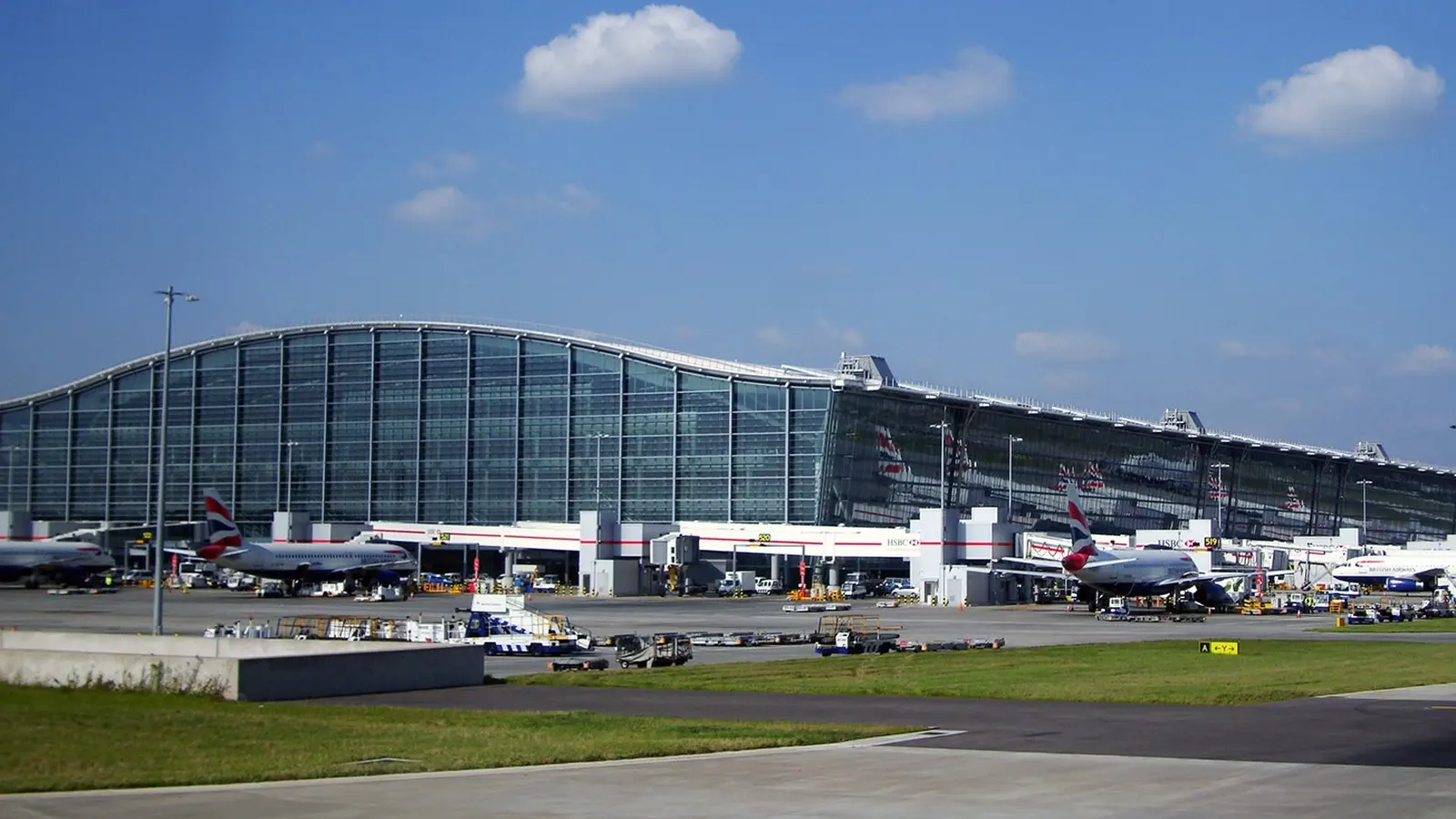
Between roughly 22:00 and 05:30 the city itself becomes the route: over the river, along the closed-shop high streets, out the A4’s western funnel. Twenty-something miles, thirty-something minutes on the best runs — the version of London taxi work that feels like cheating, and the backbone of every dawn-flight booking on this page.
Once the city wakes, the eastern SE postcodes — Eltham, Woolwich, Abbey Wood, Thamesmead — often travel further to arrive sooner: down to the M25 and round its southern arc to the airport’s own junctions. More fuel, fewer variables; the motorway trades distance for certainty, and on school-run mornings certainty wins.
For the Dulwich–Palace–Catford middle, the classic compromise threads the A205 to the A3, then the A316’s dual carriageway into the airport’s southern approach — shortest miles by day, hostage to Wandsworth and Chiswick’s moods. We run it when the sensors say yes and abandon it without sentiment when they say no.
What you are actually buying: not a car, but the decision — made fresh for your postcode at your hour with live eyes on all three corridors, then guaranteed with a fare that does not care which road won. The same journey booked blind on an app plays route roulette with your check-in; ours has already been played, daily, for years.
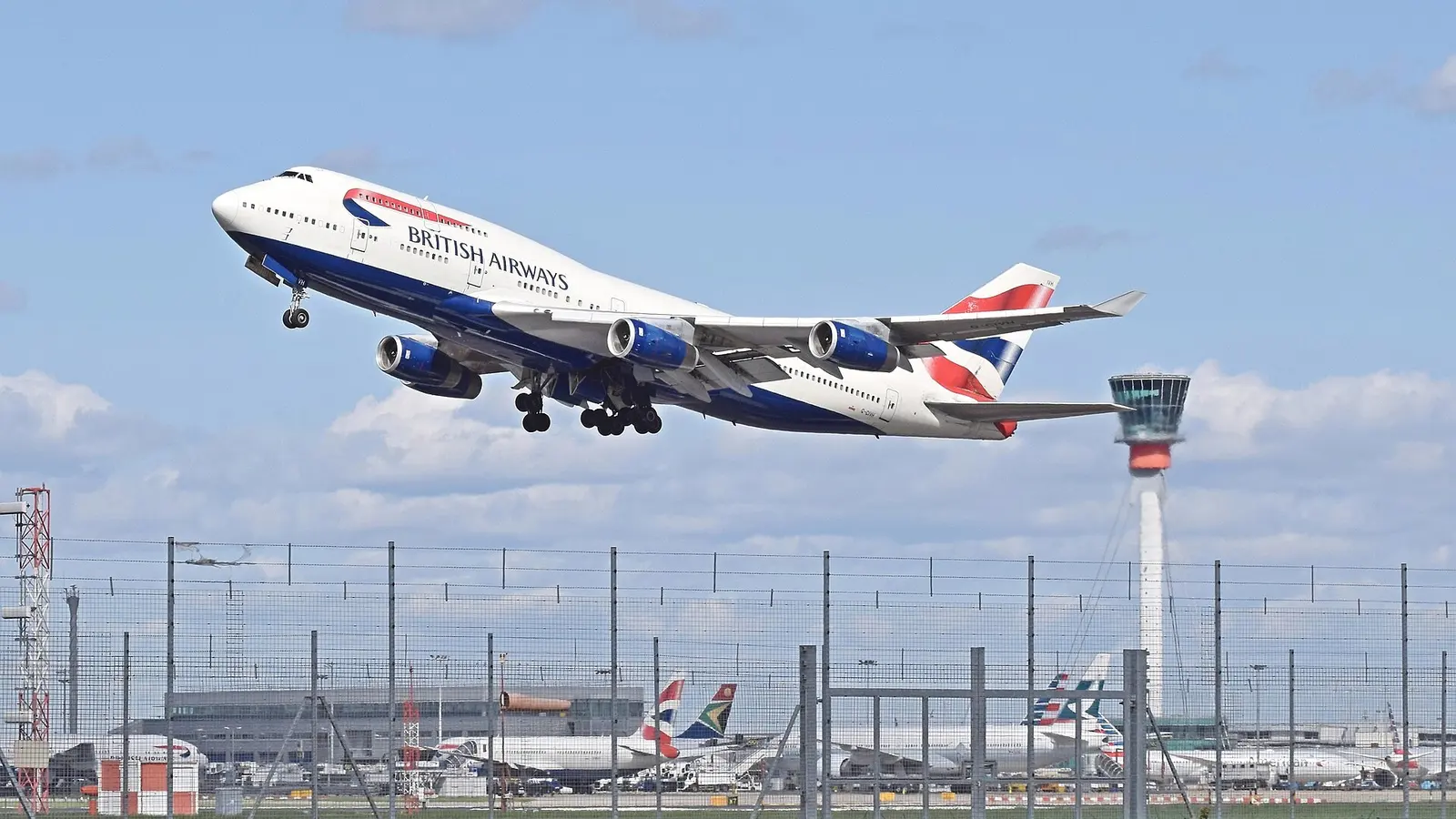
Two clocks matter on this journey — the sleeping one and the waking one — so the table shows both. Find your rows, note the spread, and let the booking collapse it to a single committed time.
| Postcodes | The areas | Night run | Daytime band | Day route we favour |
|---|---|---|---|---|
| SE1 · SE16 · SE17 | Borough, Rotherhithe, Walworth | 35–50 min | 55–95 min | Westway or A4 out of town |
| SE5 · SE11 · SE15 | Camberwell, Kennington, Peckham | 35–50 min | 55–95 min | A3 to the A316 |
| SE8 · SE14 | Deptford, New Cross | 38–52 min | 60–95 min | A3 line, arc as fallback |
| SE21 · SE22 · SE24 | Dulwich Village, East Dulwich, Herne Hill | 38–52 min | 55–95 min | A205 west to the A3 |
| SE19 · SE20 · SE25 | Crystal Palace, Penge, South Norwood | 40–55 min | 60–95 min | A3 by day, town by night |
| SE23 · SE26 · SE27 | Forest Hill, Sydenham, West Norwood | 40–55 min | 60–95 min | A205–A3–A316 thread |
| SE4 · SE6 · SE13 | Brockley, Catford, Lewisham | 40–55 min | 60–100 min | Split call: A3 or the arc |
| SE3 · SE7 · SE10 | Blackheath, Charlton, Greenwich | 40–58 min | 65–100 min | Arc gains ground here |
| SE12 · SE9 | Lee, Eltham, Mottingham | 42–58 min | 60–90 min | M25 sweep, joined early |
| SE18 | Woolwich, Plumstead | 45–60 min | 65–95 min | The arc — and see the purple line below |
| SE2 · SE28 | Abbey Wood, Thamesmead | 45–60 min | 65–95 min | The arc — with an honest rail rival |
↔ Swipe the table sideways on mobile
Reading the spread honestly: the day band looks wide because it is telling the truth — a Tuesday 10am and a Friday 4pm are different journeys across a whole city. Your quote closes the range: we commit to a pickup time built for your specific hour, and the corridor decision stays live until the wheels roll. Dawn flyers, note the night column — it is the great equaliser of the entire SE map.
Since the purple trains arrived, one corner of SE London gained something remarkable: Abbey Wood runs direct to Heathrow in 56 minutes at best, around 158 times a day. We publish that freely — then map where its brilliance actually reaches.
The postcode rule of thumb: inside a ten-minute walk of Abbey Wood or Woolwich stations, consider the train seriously; everywhere else in the SE alphabet, the door-to-terminal car wins on total time for pairs and families — and on sanity for everyone. Both answers cost nothing to check: send the postcode and flight, and the desk will tell you which side of the rule you live on.
Four cases, two passports renewed just in time, one 07:15 to Singapore. Through a city with its lights on and nobody home — South Terminal… no, T3’s forecourt — in forty-one minutes, and the family’s only debate was window seats.
A household that knows the purple line intimately — and books the car anyway, because five people with hold bags is a convoy on rails and one boot by road. The Elizabeth line is for their commutes; the M25 sweep is for their holidays.
Visitors ending a week by the Observatory with a T5 noon departure — collected at the hotel step, the day’s corridor chosen at 09:40 with live eyes, and a last panorama of the city they are leaving thrown in from the flyover.
Lands T2 at 23:50, cleared by half past midnight, home in SE15 before the fridge light — met with a name up, waiting included, and the through-town route running at the hour it was born for. Booked as the return half of the outbound, one reference, discounted.
Two answers, honestly given: through the small hours, 35 to 60 minutes from almost anywhere in the SE alphabet — the sleeping city is the shortcut. In daytime, 55 to 105 depending on postcode and corridor, with the full matrix published in the table above. Your booking converts the band into one committed pickup time, calculated for your street, your hour and your terminal — margin included as standard, not as luck.
One written figure per vehicle, settled before travel — and built from your actual postcode, because Thamesmead and Herne Hill are different journeys wearing the same headline. Inside it: ULEZ-compliant car, any charging zones the route crosses, the Heathrow forecourt fee and normal waiting. Nothing meters, nothing surges, nothing appears at the kerb. Groups tilt the mathematics fast: one fare across four seats undercuts almost any per-person alternative to the far side of London.
If you can walk to Abbey Wood or Woolwich stations with a light bag — genuinely, perhaps: the direct purple train reaches Heathrow in 56 minutes at best and we refuse to hide it. The catch is coverage: those two stations serve one corner of a twenty-eight-postcode map, and from everywhere else the journey to the train outweighs the train. Families, luggage, dawn departures and late landings tip the whole map back to the car — details and honesty in the section above.
By night, almost always straight through the city — it is dramatically fastest when empty. By day, your postcode picks between the M25’s southern sweep (the east’s friend), the A3–A316 line (the middle’s compromise) and the western exits from the riverside. The decision stays live until departure, made against real-time conditions rather than habit — and the fixed fare is identical whichever road wins, so the choice is always about your clock, never our meter.
Dawn is this journey’s sweet spot: the through-town route runs at its absolute best exactly when the first wave of departures needs it. For a 07:00 take-off expect a doorbell around 03:45–04:15 across most SE postcodes — later than the equivalent daytime sum would suggest, because the night city gives so much time back. Driver confirmed the previous evening, details in your messages, and the quiet streets do the rest.
At the forecourt of the exact terminal your airline uses that day — checked against your booking beforehand rather than assumed, since carriers shuffle and T4 in particular catches people out. T5 has its own motorway spur, T4 its southern loop, T2 and T3 share the central approach: three different final miles the driver already has loaded. The forecourt drop charge is part of your written fare, never a doorstep addition.
Tell the desk heads and bags when booking and the metal matches the mission — estate, MPV or van, child seats fitted before arrival, surfboards and ski bags measured into the plan rather than argued into a hatchback. One fare divides across the whole party, which is precisely why groups from the SE postcodes cross town with us rather than shepherding cases through three modes of public transport.
No — the quoted figure already carries them. Every vehicle meets the emissions rules as a matter of fleet policy, and when a route touches a charging zone that cost belongs to us, not to your bill. The same applies at the airport end with the forecourt fee. The number you agree is the number you pay; the accounting behind it is our hobby, not yours.
That is the half of the journey where the desk shows off: your flight tracked from origin, the driver inside arrivals against the true landing time with your name shown, waiting built in, and the through-town route home running at its midnight best while the tube map goes quiet. Book the return alongside the outbound for one reference and a discount — and land knowing SE London is forty-odd minutes away, not a logistics puzzle.
Closer, usually — it is the only major airport on SE London’s own side of the map, and we cover it street by street on our South East London to Gatwick page. But Heathrow owns the long-haul network, so the ticket usually decides before geography votes. Whichever airport your flight chooses, the same desk prices the road to it from any SE postcode.
Because a cross-London airport run assembled at 4am from whatever happens to be nearby is a coin flip wearing an app icon. Pre-booking assigns a named driver the night before, locks a fare that ignores surge weather, sizes the vehicle to your luggage, and puts a human desk behind the journey if anything moves. The through-town route rewards drivers who know it; roulette does not select for knowledge.
When the flight confirms — that is when dawn slots, school-holiday Saturdays and van-sized vehicles are still freely choosable, and a fixed fare makes early booking free insurance rather than commitment. The evening-before ritual — driver named, minute confirmed, corridor provisionally chosen — is where the calm of the morning is actually manufactured. Late enquiries are welcome and honestly answered; early ones simply sleep better.
SE1 through SE28 without exception — the riverside wharves, the hilltop terraces, the estates the apps geocode wrongly and the new-build streets satnavs have not met. Each postcode carries its own corridor logic in our routing table, which is the entire point of this page: south-east London is not one place, and its airport runs should not be priced as if it were. If your address begins with SE, the desk already knows the way.
Three routes across a whole city, chosen live for your postcode and hour — terminal-door drops, dawn doorbells, midnight name boards, and one written fare that never wonders which road won.