★★★★★ Genuine five-star Google reviews, many of them written after a driver waited out a slow evening at the barriers.
Nothing runs from St Pancras to Oxford. You have arrived from Paris, Brussels, Amsterdam or the East Midlands into a station whose railways go nowhere near Oxfordshire, and the rail answer is to cross London to Paddington or Marylebone and start a second journey. A car takes the whole 60 miles in 1h15 to 2h and finishes at your actual Oxford address. The arrival side has its own rhythm: UK border checks happen before you reach the concourse, so the useful thing is not a driver who arrives at your scheduled time — it is one who is still there when you finally walk out.
| Direct rail service | none exists |
| Rail alternative | cross London, then out |
| Road distance | ~60 miles |
| Drive time | 1h15–2h |
| Border checks | before the concourse |
| Meet point | inside, name board |
| Finishes at | your actual address |
| Fare | quoted in writing |
| RAIL | No STP–Oxford line | CONFIRMED |
| BORDER | Cleared before concourse | VARIABLE |
| MEET | Inside, name board | NOT KERBSIDE |
| ROAD | A40 → M40 J8 | 1H15–2H |
| ENDS | College · ward · home | DOOR |
On a domestic train you step onto the platform and you are out. On an international arrival there is a process between the train and the street, and its length is not something anyone — including us — can promise in advance. That single fact shapes how this booking should be made.
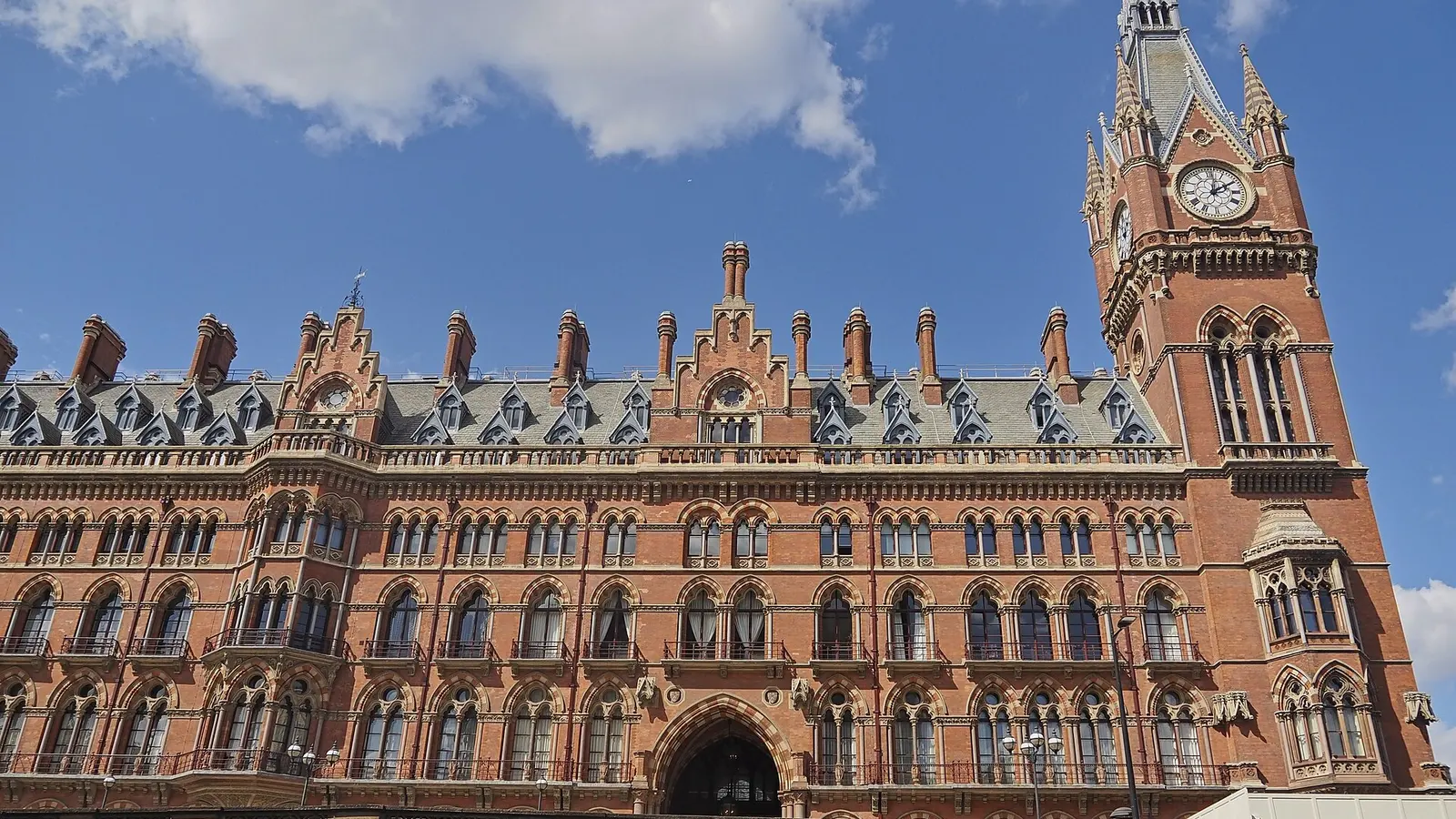
Your waiting allowance runs from the point the train actually arrives, so a service that runs forty minutes late does not quietly consume time you never used. The driver is re-timed rather than left standing.
Not a phone call from a car circling the Euston Road. The driver stands where arriving passengers actually come out, holding your name, which matters after a journey that started in another country several hours earlier.
Border processing varies with the hour and the day, and there is no useful way to predict it from the timetable. The fare was fixed before you travelled, so a slow evening at the barriers costs you patience and nothing else.
We would rather set these out properly than pretend a car is the only answer. For a solo traveller with a rucksack and a free afternoon, one of the options below is genuinely better value than we are.
| Option | Shape of the journey | Best when |
|---|---|---|
| Tube to Paddington, then Great Western | Circle or Hammersmith & City across, then a direct train to Oxford station | Light bag, daytime, destination near Oxford station |
| Tube to Marylebone, then Chiltern | Bakerloo or a short taxi, then a direct service — slower on rail, sometimes cheaper | Advance fare booked, no rush, one case |
| Tube to Victoria, then the Oxford Tube coach | Cross London, then a 24-hour coach running up to every 10 minutes from around £15 | Budget first, arriving at an awkward hour, travelling light |
| Private car | One vehicle from the concourse to your Oxford door, no changes, no second fare | Luggage from an international trip, groups, late arrivals, hospital or college destinations |
↔ Swipe the table sideways on mobile
The coach deserves a proper mention. The Oxford Tube runs around the clock, up to every ten minutes, from roughly £15, and it stops near Tube entrances rather than at an obscure coach bay. If you have just landed at St Pancras at two in the morning with a rucksack, it is a genuinely excellent option and we will happily point you at it. It is a much poorer one with three suitcases and a five-year-old.
The busiest international arrivals into St Pancras land in the late afternoon and evening. That is exactly when the onward journey to Oxford gets harder in three separate ways at once, and none of them is obvious from a booking screen.
Back from a European conference into St Pancras with a case, a laptop and usually something awkward — equipment, samples, a poster tube. The destination is a department or a college, neither of which is near Oxford station.
Half-term in Paris or Disneyland, three children, four cases and a pushchair, arriving in the early evening. This is the single clearest case on the whole route: the rail version involves a cross-London change at precisely the worst moment of the day.
Not everyone at St Pancras is international. Passengers arriving from Sheffield, Nottingham or Leicester and heading for Oxford face the same missing railway — and often have not realised it until they are standing under the departure boards.
No. St Pancras serves Eurostar, East Midlands Railway, Southeastern high speed and Thameslink — none of which run to Oxford. Reaching Oxford by rail means crossing central London to Paddington for a Great Western service or to Marylebone for a Chiltern one, then travelling out. That is two journeys with a transfer in the middle, carrying whatever you arrived from abroad with.
Typically 1 hour 15 to 2 hours for around 60 miles, out along the Euston Road and A40 and up the M40 to junction 8. Evening arrivals often travel against the worst of the outbound flow and sit nearer the fast end. Friday afternoons leaving London are the slowest version of this journey and we quote accordingly rather than optimistically.
The pickup moves with it. Waiting is measured from when your train actually arrives rather than when it was scheduled to, so a late service shifts the collection instead of burning an allowance you never got to use. Send the desk your service number at booking and the arrival is monitored; you do not need to call from the platform to trigger it.
Inside, at the point arriving passengers emerge, holding a name board — not on the road outside. St Pancras has several distinct arrival areas depending on whether you have come in on Eurostar, an East Midlands service or Southeastern, so tell the desk which one you are on and the meeting point is set to match rather than guessed.
Yes, considerably, and for some passengers they are the right choice. The Oxford Tube coach runs 24 hours a day, up to every ten minutes, from around £15, and the rail route via Paddington is quick once you have crossed London. Both are excellent if you are travelling light with time in hand. The car earns its fare on luggage, groups, late hours and Oxford destinations that are nowhere near the station — which describes most people arriving off an international service.
That is the normal booking on this route. Colleges, the Headington hospital sites, the science and business parks, and the villages out toward Woodstock, Abingdon, Witney and Kidlington are all door-exact deliveries. Oxford's centre has significant traffic restrictions, so give the desk the full address at booking and the permitted set-down point is worked out in advance.
Yes — fitted before pickup when requested at booking, at £10 each. Family arrivals off evening Eurostars are one of the most common jobs on this page, so tell the desk the ages and the seats are in the car when it meets you rather than something to be sorted out on the concourse.
Daily, and the timing works completely differently in that direction because Eurostar check-in closes 30 minutes before departure. The detail is on the Oxford to St Pancras taxi page. Book both together and the return leg is discounted.
One car from the St Pancras concourse to the Oxford address you actually want, with waiting included because nobody can predict exactly when you will walk out.