★★★★★ Five-star rated where the gangway meets the A20.
Stand on Dover’s quay and you can see France; the plane home, though, leaves from the far side of London. Heathrow sits roughly a hundred miles away, and the railway’s offer for that journey is two changes and an average of 3 hours 34 minutes — with cruise luggage riding along on every escalator. Our offer is different: one pre-booked car at the cruise-terminal kerb or your CT doorstep, both motorways to London read live before departure, and the terminal forecourt reached in about two hours on a normal run. The fare is fixed in writing before you travel — before you even sail, if you like — and the car is sized to swallow a fortnight’s cases without argument.
| By road | ~100 mi · 1h50–2h30 |
| By rail to LHR | 2 changes · avg 3h34 |
| HS1’s catch | 1h06 — to London, not LHR |
| Cruise pickup | timed to the gangway |
| Ship running late | tracked · car moves free |
| Terminals | T2 · T3 · T4 · T5 |
| Fare | fixed · in writing |
| ROAD | M20 or A2 — chosen at departure | 1H50–2H30 |
| RAIL | Two changes, luggage and all | AVG 3H34 |
| SHIP | Gangway-timed cruise pickups | TRACKED |
| T2–T5 | Any Heathrow terminal kerb | DOOR DROP |
| FARE | Named before you board anything | IN WRITING |
Dover is the rare departure point with two full-length motorway corridors to London’s orbit: the M20 past Folkestone, Ashford and Maidstone, or the A2/M2 over the Downs through Canterbury’s flank and the Medway towns. A desk that runs this coast daily treats the choice as live information, not a default setting.
The textbook route — A20 out of the port, motorway from Folkestone, then the long ribbon past Ashford and Maidstone to the M25. Quickest on paper and usually in practice, with one famous exception: when Channel traffic stacks, this is the corridor that wears the queues, and pretending otherwise is how amateurs miss flights.
Climbing out over the white chalk shoulder and running the older Roman line toward the Medway crossing — a handful of extra miles that becomes the professional’s answer the moment freight management strangles the M20. Two corridors means the port’s troubles never hold the fare hostage.
Either corridor delivers you to the same final puzzle: London’s orbital west toward the Heathrow junctions. We time departures against its known moods — school-run swell, Friday escape, the post-lunch lull — and quote pickup times with that quarter already priced into the plan, not discovered during it.
Local knowledge, stated plainly: when cross-Channel disruption triggers freight queuing on the coast-bound roads, journey plans built from a map fall apart. Ours are built from the corridor’s live state at collection time — it is the difference between a firm that drives this road daily and an app assigning whoever is nearest.
Most bookings on this page begin with the same question, asked from a cabin somewhere at sea: “our ship docks at Dover in the morning — which flight home can I safely book?” Here is the honest shape of a typical disembarkation day, and where our car fits into it.
| Stage | Typical clock | What is actually happening |
|---|---|---|
| Ship alongside | 06:00–07:00 | Most itineraries berth at first light; lines announce exact times the evening before — forward it to us and the plan tightens itself. |
| Self-assist walk-off | from ~07:15 | Passengers carrying their own bags leave first — the option to pick if your flight is on the early side of safe. |
| Main disembark & baggage hall | 07:45–09:30 | Deck-by-deck release, cases reclaimed ashore, formalities cleared — the stage with the widest natural spread. |
| Car loaded, wheels turning | +10 min | Driver already at the terminal kerb with a name board — loading a cruise’s worth of luggage takes minutes, not negotiation. |
| The motorway leg | 1h50–2h30 | Corridor chosen live, one comfort stop on request, no changes, no platforms, nobody lifting a case again until Heathrow. |
| Heathrow bag-drop | ~11:00–12:00 | Off an 08:45–09:15 pickup, the kerb of the correct terminal — with the check-in queue still ahead of the lunchtime wave. |
↔ Swipe the table sideways on mobile
So which flight is safe to book? With a normal morning docking, we advise treating early afternoon as the comfortable window — roughly 13:00 onward for European departures, a shade later for long-haul if you want the margin to feel luxurious rather than adequate. Booking the 10:40 “bargain” against a 07:00 docking is how holidays end in a sprint; send us the ship, the date and the flight you are eyeing before you buy it, and the desk will tell you plainly whether the sums work.
Dover owns a genuinely excellent railway — in one direction. The high-speed line whisks you to St Pancras in as little as 1h06, about 40 times a day, and if central London were your destination we would tell you to take it without blinking. Heathrow is a different sentence entirely.
Use the railway where it wins: heading for central London, the West End or a St Pancras connection, take the high-speed train and pocket the difference — it is a superb service and pretending otherwise would insult your intelligence. This desk exists for the journey the timetable never built: Dover to a Heathrow departure gate, luggage included, in one unbroken move.
A port town stacks its pickup points vertically — terminals at sea level, a castle on the skyline, villages folded into the chalk between. Each has its own choreography, learned the only way that counts: by doing it at 6am with a ship on the berth.
| Pickup zone | What it is | What the booking accounts for |
|---|---|---|
| Cruise Terminal 1 | The 1914 Dover Marine station reborn — the very platforms where the Unknown Warrior came home in 1920 now handle gangways instead of troop trains | Name-board meeting inside the historic hall or at the kerb, trolley-to-boot transfer, and departure timed to your deck group — not a generic “morning pickup” |
| Cruise Terminal 2 | The second berth along the Admiralty Pier for the season’s larger calls | Which terminal your line uses is confirmed the day before — we position by ship, so a T1/T2 mix-up never begins |
| Eastern Docks | The ferry side — foot passengers off the Calais boats and crews changing over | Sailing-linked timing with the same delay courtesy as flights: the boat runs late, the car simply re-times |
| Dover Priory | The town’s mainline station, one valley back from the sea | Forecourt meeting for rail-connecting travellers — and honest advice on when the train is the better half of your journey |
| Dover Castle & the heights | England’s largest castle holding the skyline, war tunnels burrowed beneath | Visitor-day collections at the gate after closing sweeps, and the steep one-way approach handled without drama |
| The CT villages | St Margaret’s-at-Cliffe above its bay, Whitfield, River, Temple Ewell, Kearsney, Capel-le-Ferne along the cliff road | Each village joins a different point of the A2/A20 web — the quote starts from the right junction, and dawn pickups are timed street-accurate |
| Shakespeare Beach & Samphire Hoe | The Channel swimmers’ shoreline — the Hoe itself built from the Tunnel’s spoil | Swim crews and their jet-lagged supporters moved between tide windows, guest houses and Heathrow — a niche this coast’s desk knows by name |
| Deal & Walmer | The genteel seafront towns up the coast, castle apiece | Fifteen minutes added honestly to the plan, not silently to the price — the same written-fare discipline, one bay along |
↔ Swipe the table sideways on mobile
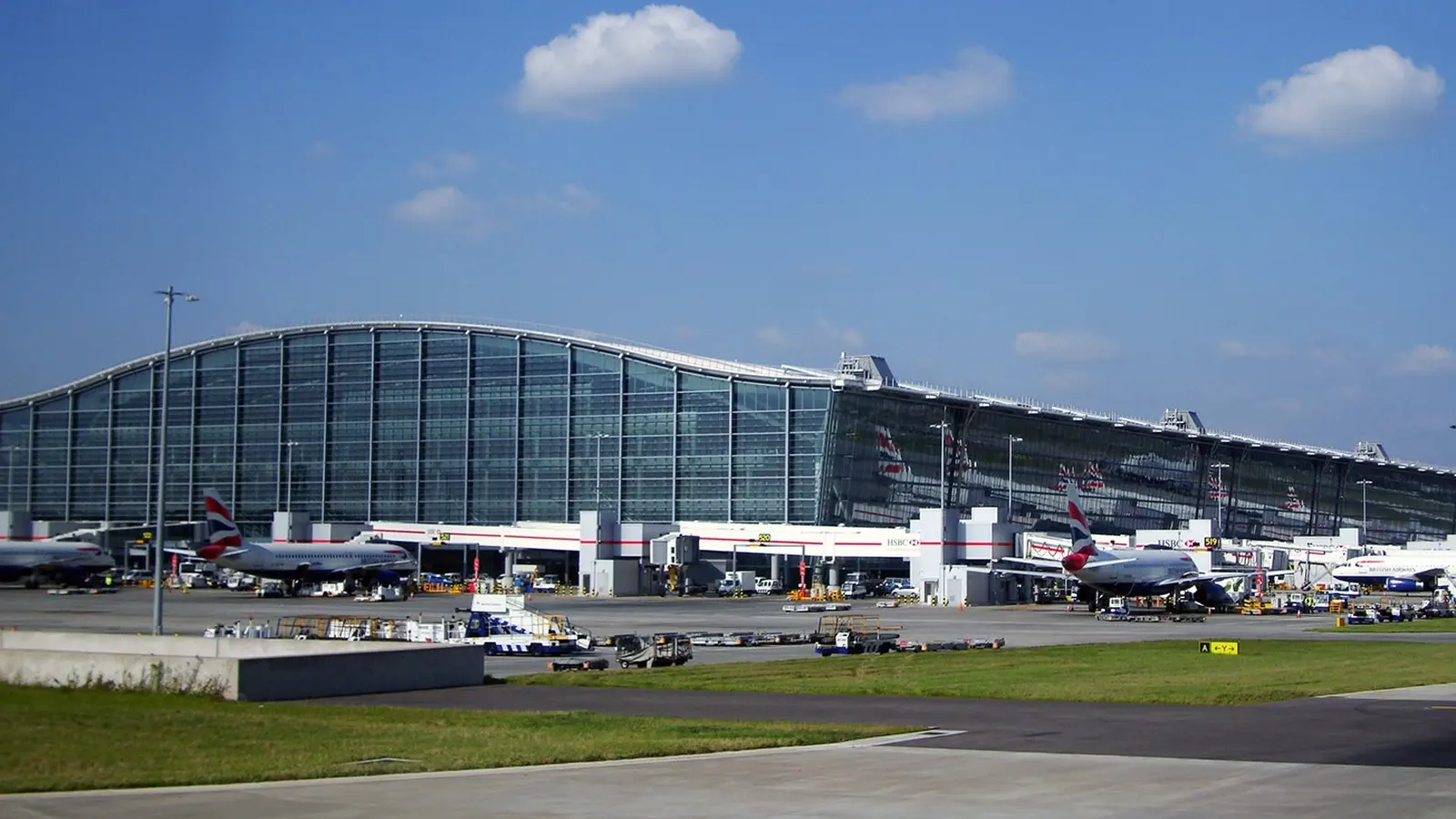
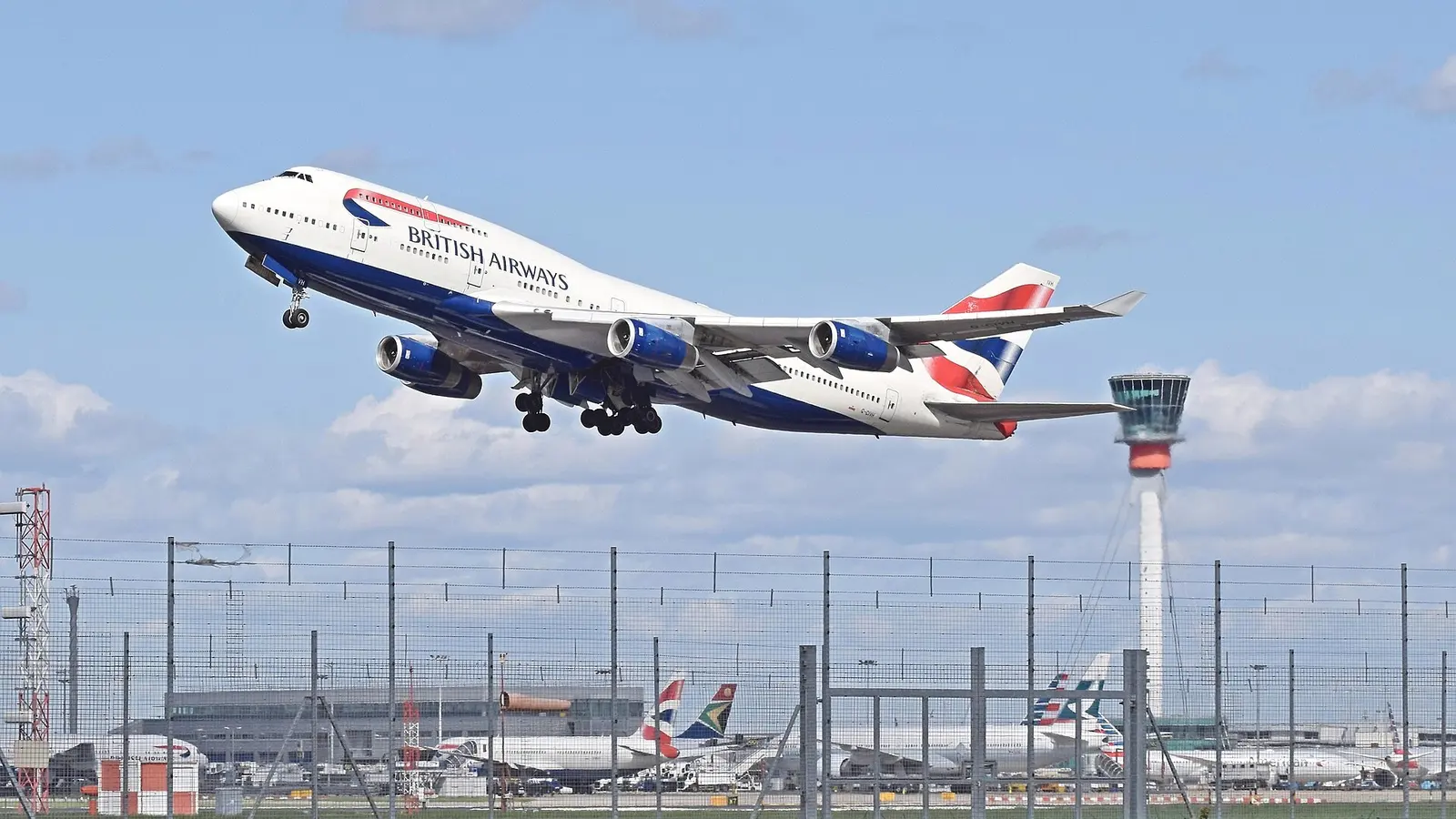
At the Heathrow end, the drop is the correct terminal’s forecourt — T5 for BA’s home operation, T3 and T2 for the alliance carriers, T4 for much of the rest — with the forecourt charge already inside your figure and the driver confirming the terminal against your airline the day before. Flying back into Heathrow to join a ship at Dover? That reverse leg, timed to boarding rather than disembarkation, lives with our Dover cruise transfers desk — book the pair together and the return discount applies.
Fourteen nights of Baltic luggage, a 14:05 out of Terminal 3, and a ship alongside at 06:30. MPV at the kerb for 08:45, one loading, one motorway, bag-drop by 11:15 — and the only sprint of the day was the children’s to the departure-lounge windows.
A St Margaret’s doorstep, an 08:10 departure west, and a road so empty the White Cliffs are still floodlit in the mirrors. No train even exists at that hour — the first leaves Priory at 04:28, pointed the wrong way. This booking is why the desk never closes.
An Australian relay team, one conquered Channel, and a flight home from Heathrow two days later. Kit, fatigue and triumph loaded at a Dover guest house — the rare booking where everyone sleeps the whole hundred miles and the driver keeps the radio off unasked.
Weather held the ship outside the breakwater for three hours; the 13:20 flight stopped being bookable arithmetic. Because we track the berth, not the brochure, the car re-timed itself, the desk talked the family through rebooking options mid-morning, and the day bent without breaking.
Roughly a hundred miles, and 1h50 to 2h30 kerb to kerb depending on corridor and hour. The spread is not padding — it is the honest difference between a 6am Sunday glide and a Friday afternoon on the M25’s western quarter. Your booking comes with a recommended pickup time built backward from your check-in, not a one-size guess, and the driver’s route is chosen from live conditions on the morning itself.
Treat early afternoon as the comfortable answer: from a normal 06:00–07:00 docking, main disembarkation puts most passengers kerbside between 08:00 and 09:30, the drive takes about two hours, and Heathrow wants you at bag-drop two to three hours before departure. That lands 13:00-onward European flights and slightly later long-haul in the safe zone. Self-assist walk-off can pull the schedule earlier if you can carry your own cases. The golden rule: message the desk with ship, date and candidate flight before booking it — a two-minute check that has saved a great many holidays their final morning.
No — and the gap is wider than most travellers expect. Every rail itinerary requires two changes, the fastest perfect-connection journey takes 2h07, and the day’s average is 3h34. Dover’s high-speed line is excellent, but it serves St Pancras — the wrong side of London for Heathrow — in 1h06. For central London we recommend that train sincerely; for an airport hundred miles west with cruise luggage in tow, the one-car, zero-changes road is the grown-up option.
At the kerb or inside the arrivals hall of your confirmed terminal, holding a name board, positioned before your deck group is called. We confirm whether your ship is on Terminal 1 or Terminal 2 the day before arrival and position accordingly — you will not be dragging cases along the Admiralty Pier hunting for a car park. The driver’s name, vehicle and phone number arrive by message in advance, and the WhatsApp thread stays open from gangway to boot-lid.
Tell us heads and cases and the desk sizes the car rather than selling you the biggest one. As working shorthand: a couple with two large cases and carry-ons travel comfortably in a saloon; three to four passengers with a fortnight’s luggage belong in an estate or MPV; five or more, or anyone travelling with mobility equipment, golf bags or a pram, should say so and be matched properly. The written quote names the vehicle class — no kerbside surprises with a queue behind you.
The car re-times itself — free. We track the vessel’s actual progress rather than the brochure schedule, so a slow Channel or a held berth moves your pickup automatically and the driver is briefed before you have phone signal. If a serious delay threatens the flight itself, the desk flags it as early as the tracking shows trouble, while options still exist. Weather has a vote on this coast; panic is optional.
Whichever is genuinely faster at departure, decided that morning rather than assumed. The M20 through Ashford and Maidstone is the default line; the A2/M2 over the Downs is the professional hedge for the days cross-Channel freight pressure or roadworks lean on the coast road. Both deliver to the same M25 approach, the fixed fare is identical either way, and passengers with a preference need only say so.
A fixed figure quoted in writing before you travel — no meter running through roadworks, no night or weekend uplift, terminal forecourt charge and normal waiting already inside it. The exact number depends on vehicle size, pickup point and date, so send the desk your ship or postcode, party size and flight via WhatsApp or the booking page and the quote lands within minutes. Book the Heathrow-to-Dover leg of a future cruise at the same time and the round-trip discount applies to both directions.
Daily. St Margaret’s-at-Cliffe, Whitfield, River, Temple Ewell, Kearsney, Capel-le-Ferne, Aycliff and the coast up to Deal and Walmer are all home ground — each village meets the motorway web at a different junction, so the quote is built from your actual lane rather than a town-centre average. Dawn collections in the villages are timed street-accurate, because five minutes matters more at 03:40 than at lunchtime.
The correct one for your airline, confirmed against the booking the day before — T5 for British Airways’ home operation, T2 and T3 for most alliance carriers, T4 for much of the remainder — and the forecourt drop-off charge is already inside your written fare, never a kerbside addition. If your airline moves terminals between booking and flying, the confirmation catches it; you will not discover the change from a departures board with cases in hand.
Constantly — it is this route played in reverse, timed to boarding instead of disembarkation. Land at Heathrow by late morning and a 16:00-sailing ship is reached with unhurried margin, including the meet-and-greet inside arrivals and waiting time if the flight drifts. The pairing is the classic booking: one desk, both leg fares fixed together, the return discount applied, and the same ship-and-flight tracking working both directions. Details live on our Dover cruise transfers page.
A hundred miles, two corridor choices, one written fare — with the ship tracked to its berth, the luggage swallowed whole, and the check-in queue reached while the rail option is still standing on its second platform.