★★★★★ Five-star rated on the run from the world’s runway to the Romans’ first British capital.
Heathrow to Colchester is about 90 miles over the top of London — M25’s northern arc to Junction 28, then the A12 the rest of the way — done in 1h45 to 2h20 with not a single toll gantry en route. The railway’s version needs a change in London and averages 2h25, per person, with your luggage riding every escalator of the connection. One pre-booked car changes the shape of the journey entirely: met inside arrivals with your name up, loaded once, delivered to a Colchester doorstep, a University of Essex hall or a tide-checked Mersea lane — and the fare was fixed in writing before the plane left the ground.
| By road | ~90 mi · 1h45–2h20 |
| Tolls en route | none · northern arc |
| By rail | 1 change · avg 2h25 |
| London by rail | direct · 47 min best |
| September wave | Essex Uni arrivals daily |
| Late landings | met past midnight |
| Fare | fixed · in writing |
| ARC | Over the top of the M25 | NO TOLL |
| A12 | J28 to Colchester, watched | 1H45–2H20 ALL-IN |
| RAIL | One change, avg 2h25 | NO DIRECT |
| UNI | Essex campus, hall-exact | SEPT-READY |
| FARE | Named before boarding | IN WRITING |
Colchester sits north-east of the capital and Heathrow due west, so every journey between them must solve London. There are three solutions on the map — and only one of them deserves to be the default.
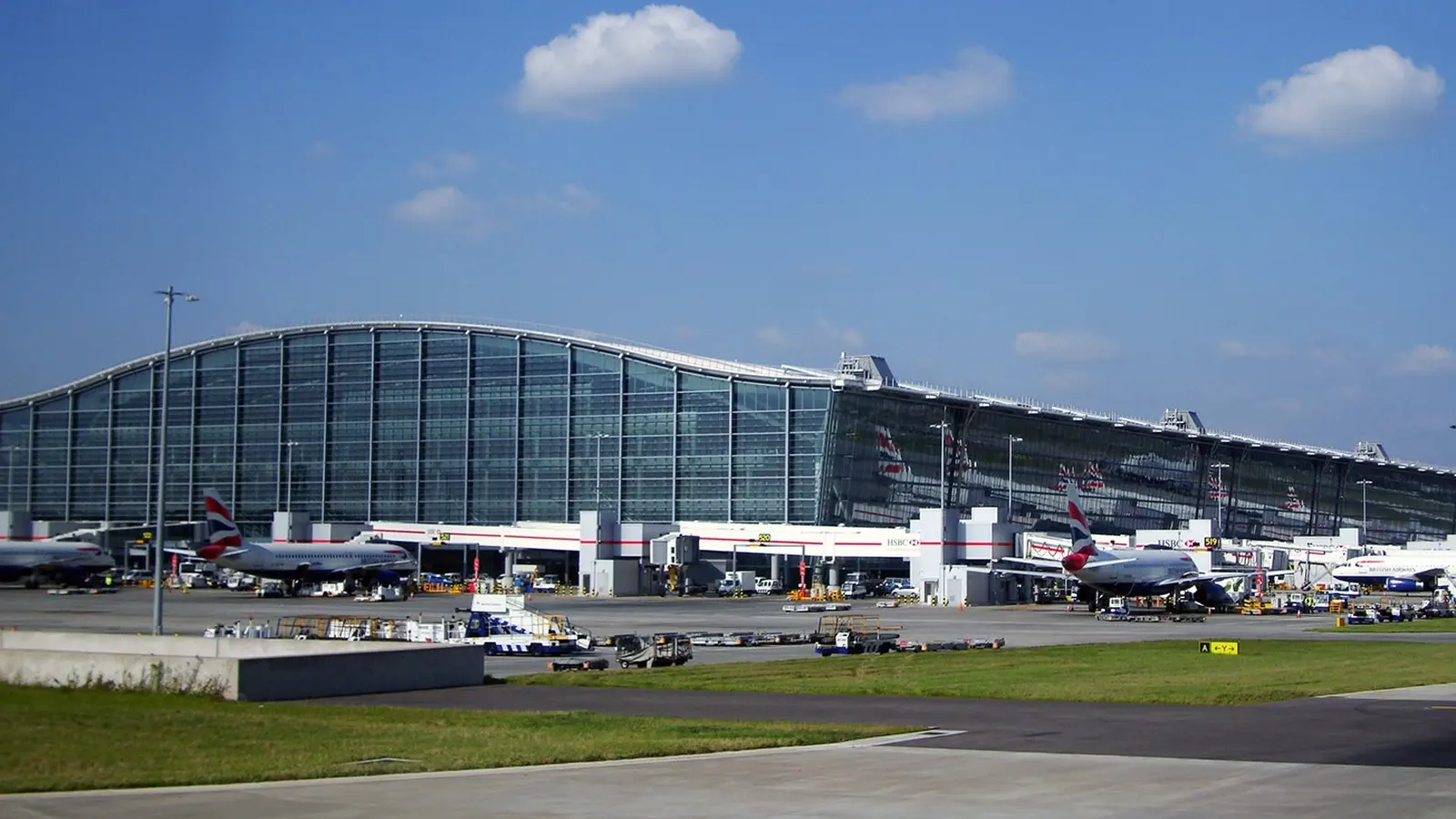
M25 anticlockwise over the top — past the M40, M1 and M11 junctions — then off at 28 onto the A12 for the final thirty-odd miles. The standard answer: motorway-grade throughout, no toll anywhere, and the base of every quote this page produces.
On paper the A406 and the M11 cut the corner. In practice the North Circular spends its savings at traffic lights — but on days the M25’s top arc has an incident, this becomes the professional’s escape hatch, and our drivers hold it rehearsed rather than theoretical.
Some satnavs, mid-incident, propose the bottom of the M25 — through the Dartford Crossing. More miles, a toll, and the country’s most famous queue as a bonus. We treat it as the answer of last resort it is, not a clever shortcut.
The A12 deserves its own respect: the final leg is a fast dual carriageway with old bones — stretches without a hard shoulder, junctions that arrive quickly, and a roadworks calendar every Essex driver learns to read. We watch its live state before every departure and time around its known slow points, because on this route the M25 gets the headlines but the A12 decides the arrival.
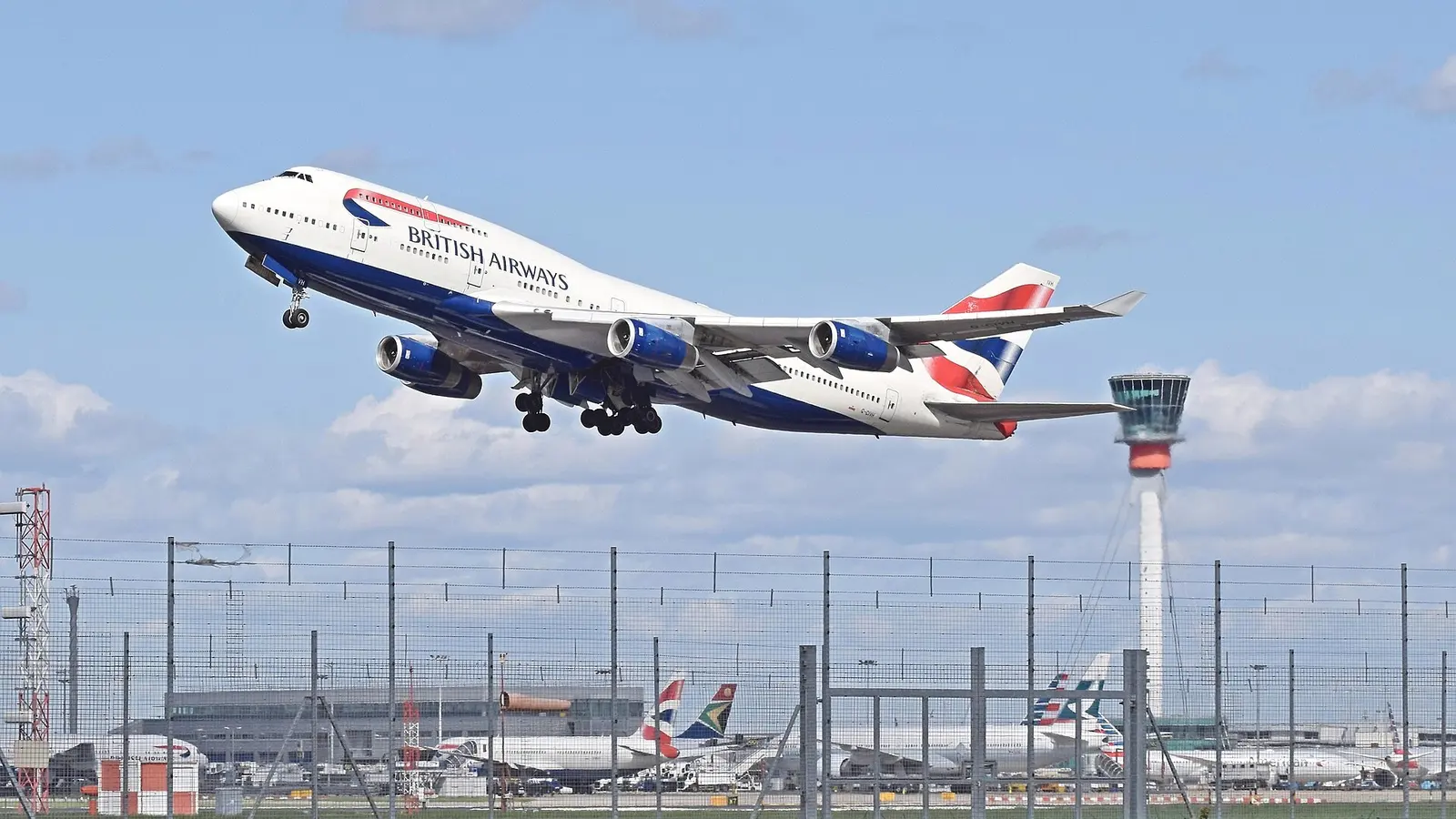
Colchester generates Heathrow traffic in patterns most towns never see: a university that fills with the world every autumn, one of the Army’s largest garrisons, and a business community that treats a 47-minute London train as a commute — but still needs wheels when the flight is long-haul and the cases are many.
September honesty for parents booking from abroad: tell us the flight number and the hall name and the job is done properly — met inside arrivals, luggage trolley handled, delivered to the accommodation’s actual entrance with the fare agreed in writing weeks before, in your currency’s terms via card. No haggling at a kerb in a country your child landed in an hour ago.
Credit where due — Colchester’s railway is superb at what it was built for. Direct trains reach Liverpool Street in as little as 47 minutes, and if central London is your destination, take one with our blessing. Heathrow, though, was never what this line was built for.
Britain’s oldest recorded town — Rome’s first British capital, burned by Boudica, rebuilt around the largest Norman keep in Europe, and made a city only in 2022 — hides modern quirks a transfer desk must actually know: two stations sharing one name, a campus the size of a village, and an island you can only leave when the tide agrees.
| Pickup zone | What it is | What the booking accounts for |
|---|---|---|
| City centre & the Dutch Quarter | The castle on its Roman temple vaults, and the lanes where “Twinkle Twinkle Little Star” was written in 1806 | Narrow one-ways and event-day closures around the castle park — meeting points named street-exact, cases rolled yards not blocks |
| The two stations | Colchester North on the mainline, Colchester Town on the branch — one name, two very different places | We confirm which station in the booking thread — the mix-up costs twenty minutes and we have rescued plenty who learned that the hard way |
| University of Essex | The Wivenhoe Park campus — towers, squares and lakes, effectively its own town | Hall-exact drops by name, September and January arrival waves staffed in advance, summer exodus runs sized for three years of belongings |
| The garrison quarters | One of the Army’s largest home bases, woven through the town’s south side | Gate-appropriate pickups, kit-bag boot space and small-hours discipline for movements that ignore civilian clocks |
| Mersea Island | Oyster beds worked since Roman times, reached only by the Strood causeway | The causeway floods at high spring tides — we check the tide table against your flight before quoting the pickup hour, which no algorithm has ever thought to do |
| Tiptree & Marks Tey | The jam village of world renown and the A12’s junction settlement | Village-exact quotes joining the trunk road at the right point — and yes, the driver knows why your American guests want to stop in Tiptree |
| Wivenhoe, Lexden & Highwoods | The riverside artists’ town and the leafy residential quarters | Each sits on a different exit spoke — dawn pickups timed to the street, not to a town-centre average |
| Dedham Vale & Constable Country | The landscapes England’s most famous painter made immortal, minutes north | Heathrow arrivals delivered straight into the vale’s hotels — the classic American itinerary, driven gallery-to-doorstep |
| Harwich connection | The international cruise port twenty-odd miles east | Heathrow–Colchester–Harwich as one planned pair: land, sleep in the old town, board your ship rested — both legs on one reference |
↔ Swipe the table sideways on mobile
Why the local table matters: a London-dispatched car knows none of the above — not the station trap, not the tide, not which campus square takes a vehicle. This desk prices from the exact lane and briefs the driver on the quirk that lane carries. In a city twenty centuries old, the quirks are the geography.
Off the Dubai overnight with four cases and a guitar, met inside T3 arrivals under a name board, asleep by the M11 junction — delivered to the named hall with the fare mum agreed in writing three weeks earlier. The run that owns this route’s autumn.
Family of four, 07:05 long-haul, cases lined in the hall since supper. The A12 southbound is empty, the M25’s top arc glides, and the terminal kerb arrives with the margin designed in — a journey no timetable can begin at that hour.
An island pickup where the desk read the tide table before naming the hour — over the Strood forty minutes ahead of the water, cases dry, flight made. The booking that best explains why local knowledge is not a slogan here.
A retired Boston couple off the morning arrival, driven past the city they will explore tomorrow and into Dedham Vale by lunch — the landscapes they have known from gallery walls for forty years, framed this time by a windscreen.
About 90 miles, in 1h45 to 2h20 — over the top of the M25 to Junction 28, then the A12 to your door. The spread belongs almost entirely to the hour of travel: small-hours and Sunday runs sit at the quick end, weekday peaks at the other. Your confirmation names a pickup time built backward from your flight’s check-in deadline with margin already inside — not a round number guessed off a map.
A fixed figure quoted in writing before travel — vehicle sized to your party, meet-and-greet, normal waiting and all road costs inside it, with no meter, no night uplift and no toll on this route at all. The railway charges per person for a one-change journey; we charge per car, which is why groups and luggage-heavy trips flip the sums our way. Send party size, date and flight number via WhatsApp or the booking page and the exact number arrives within minutes, with a discount when both directions are booked together.
No — every rail option changes in London, and while the fastest connection achieves 1h30, the day’s average is 2h25, escalators and all. The fair print: Colchester’s own line into Liverpool Street is excellent — direct in as little as 47 minutes — and for central London we recommend it sincerely. It simply was not built to reach an airport on the far side of the capital with a family’s luggage in tow.
Worked backward honestly: long-haul bag-drop three hours out, a night-time run of well under two hours, and buffer for the unexpected — so a 07:05 departure means a Colchester doorbell around 03:15, a few minutes either side by postcode. The driver is confirmed the evening before with details sent by message, and at that hour the A12 and the M25’s arc are at their emptiest — the drive itself is the calmest part of the morning.
They are this route’s signature. September and January arrivals are met inside the terminal, driven direct and dropped at the named hall on the Wivenhoe Park campus — not at a gate with a map. Boots are sized for international-student luggage, coursemates on the same flight can split one fixed fare, and parents booking from abroad get the whole arrangement in writing before their child boards. Summer’s reverse migration, with three years of belongings, books the same way.
By miles, yes — and for short-haul Europe we will happily run you there instead; see our Stansted transfers. But Heathrow is where the long-haul world actually flies — the Gulf, the Americas, Asia, Africa — which is why this ninety-mile run exists and thrives. The honest rule from this desk: let the flight choose the airport, then let us price the road to it. Both quotes cost nothing to ask for.
It was tracking you across the ocean. Arrivals pickups run against the actual landing time, the driver enters the hall with your name displayed, and included waiting absorbs immigration’s late-night pace — a delay moves the pickup, never the price. The homeward A12 after midnight is the fastest version of the journey, and the fare remains the figure written when you booked, whatever the clock says.
All of them, with the local print that matters: Mersea pickups are timed against the Strood causeway’s tide table — high spring tides cover the only road on and off the island, and we plan around the water rather than discovering it. Tiptree, Marks Tey, Wivenhoe, Stanway, Lexden, Highwoods and the Dedham Vale villages are all quoted from their exact lanes, because which side of the A12 you live on changes the journey more than the mileage suggests.
The default is the M25’s northern arc to Junction 28 and the A12 home — motorway-grade, toll-free and fastest on a normal day. When the arc has one of its moments, the through-London A406/M11 line is the rehearsed alternative; the southern arc through the Dartford Crossing stays the last resort it deserves to be, toll and queues included. Conditions on the day pick the road; the written fare ignores the choice entirely.
Gladly — it is one of Essex’s smartest itineraries. Land, let us run you the ninety miles to a Colchester or Harwich old-town hotel, sleep off the flight, and board your ship twenty minutes up the road next morning — two short legs, one reference, both fares fixed together, flight tracked in and boarding time governing the leg out. Details live on our Harwich cruise transfers page.
State heads and cases at booking and the desk sizes the vehicle honestly — saloon for two with holiday luggage, estate or MPV for families and student moves, coordinated multiple cars for parties that will not fit one vehicle, leaving together under one plan. Child seats are staged in advance, mobility equipment declared and planned for, and the written quote names the vehicle class so the car that arrives is the car you expected.
Every day — it is the same corridor with the clock running the other way. Departure-leg pickups are built backward from your check-in deadline, dawn specialities included, and the both-ways booking is the classic: outbound and return fixed together, one reference, the return discount applied, and the same flight tracking working in both directions. One message to the desk covers the whole round trip.
Because a ninety-mile journey deserves better odds than the rank offers. Pre-booking through a licensed operator is what guarantees the hire-and-reward insurance that covers paying passengers, a vetted driver who knows the A12’s temperament, a vehicle sized to your luggage before you land, and a fare that cannot inflate with the traffic. It also buys the invisible things: the tracker that saw your delay, the name board in the hall, and a desk that answers at 1am. Kerbside luck provides none of that.
Ninety toll-free miles, hall-exact university drops, tide-checked island pickups and a fare in writing before anything moves — the oldest town in Britain, reached the modern way.